 Oseni Solomon Ojochenemi
| 281 Views
Oseni Solomon Ojochenemi
| 281 Views
Learn 10 easy yet impactful ways to help African bird conservation — from planting native trees to joining citizen science projects. Protect birds, support biodiversity, and make a difference today.
If you’re reading this, chances are you love seeing birds. Imagine stepping outside on a cool morning, waiting for the usual dawn chorus of birds. But instead of song, you hear nothing — only silence. It feels unsettling, almost unnatural.
But here’s the reality: In Africa, bird populations are facing severe pressure from habitat loss, pollution, and climate change are pushing many species toward the brink.
The good news? You don’t need to be a scientist to make a difference. In fact, many of the most effective bird conservation strategies start right in your own backyard.
In this guide, we’ll explore 10 simple actions that anyone can take to protect birds, support biodiversity, and create safer skies for our feathered neighbours.
1. Create a Bird-Friendly Garden with Native Plants
Bird-friendly gardening begins with one principle: plant native vegetation.
Native trees, shrubs, and flowers provide nectar, berries, seeds, and insects that local bird species depend on. They also require less water and fewer chemicals than exotic plants, making them a win for both wildlife and people.
In Southern Africa, gardens planted with locally indigenous species—such as aloe, Leonotis leonurus (Wild Dagga), or Halleria lucida (Tree Fuchsia)—support nectar-feeding birds like sunbirds, orioles, and weaverbirds while requiring minimal irrigation. This is backed by conservation advice from the Botanical Society of South Africa.
Similarly, research from the National Audubon Society in North America found that yards with over 70% native plant cover supported viable breeding populations of Carolina chickadees, highlighting the global importance of native plants.
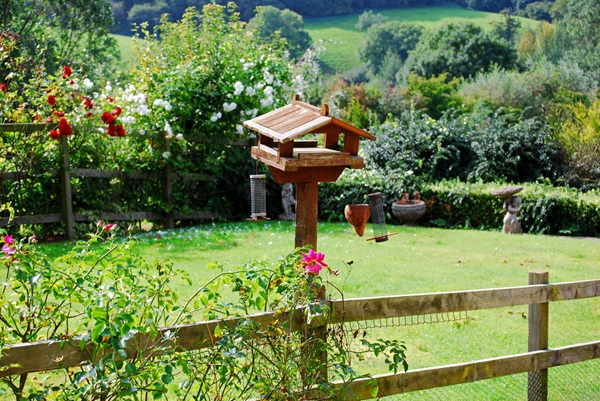
Bird-friendly garden with native plants greatly support bird populations
Image source: Freepik
How to start your bird garden:
- Use local native plant lists from your nearest Audubon chapter or native plant society.
- Mix bloom times to ensure food throughout the year.
- Include berry-producing shrubs like viburnum, serviceberry, and elderberry.
- Plant sunflowers or coneflowers for seed-eating birds.
- Leave some leaf litter and deadwood for insect habitat.
Pro Tip: Even small spaces count. A balcony container with native flowers or a strip of wildflowers along a fence can become a mini-habitat.
Why it matters: Native gardens help birds thrive, increase species diversity, and support chick survival. They also transform ordinary yards into vibrant, resilient ecosystems.
2. Provide Clean, Moving Water Year-Round
Birds need water for drinking and preening — both essential for survival. In urban areas and during dry spells, your yard can be a lifeline habitat.
Tips for success:
- Install a shallow birdbath (2–3 inches deep).
- Refresh daily to prevent mosquito breeding.
- Add drippers, misters, or fountains — birds are drawn to moving water.
- Place baths in shaded, quiet areas safe from predators.
Extra idea: Consider a heated birdbath for winter. Birds expend huge amounts of energy trying to melt snow for water — providing liquid water in cold months can literally save lives.
Why it matters: Reliable water sources reduce stress, support feather health, and attract migratory species. A simple birdbath can become one of the most effective conservation tools in your backyard.
3. Keep Cats Indoors and Make Windows Safe
Two household threats kill billions of birds each year: cats and windows.
While the exact numbers are still being studied in Africa, it is known that free-roaming cats pose a significant threat to native bird species. Meanwhile, bird-window collisions remain a major threat globally.
Practical steps:
- Keep cats indoors or build a safe “catio.”
- Apply decals, UV-reflective film, or grid patterns to windows.
- Place feeders either within 3 feet of windows or more than 30 feet away.
- Turn off or dim lights at night during migration.
Did you know? Studies show that most collisions happen at ground-level windows near gardens. Even just modifying lower windows can cut mortality significantly.
Why it matters: These are immediate, high-impact actions proven to drastically reduce bird deaths in human spaces.

Keep cats indoors to save birds and promote bird conservation
Image source: Freepik
4. Support Bird Conservation Organizations
Local actions are powerful, but global conservation depends on organizations with reach and expertise.
Groups like BirdLife International, the Cornell Lab of Ornithology, African Bird Club, A. P. Leventis Ornithological Research Institute (APLORI), and the American Bird Conservancy drive policy change, restore habitats, and mobilize citizen scientists.
Ways to contribute:
- Donate or become a member.
- Volunteer your skills (photography, writing, outreach).
- Join conservation campaigns such as Lights Out or Save the Songbirds.
Why donations matter: Even small recurring donations help organizations plan long-term projects, like wetland restoration or anti-poaching patrols.
Why it matters: Broad-scale change requires institutional capacity that individuals can’t achieve alone. Supporting these groups amplifies your impact globally.
5. Reduce Plastic Use & Pollution
Plastic waste is devastating for birds. A recent Guardian report found microplastics in the lungs of 51 bird species, averaging 221 particles per bird.
Steps you can take:
- Carry reusable bottles, bags, and containers.
- Refuse single-use plastics like straws or cutlery.
- Join local cleanups in parks and waterways.
- Choose products with minimal or compostable packaging.
Did you know? Seabirds like albatrosses often feed plastic fragments to their chicks, mistaking them for fish eggs. A study revealed that by 2050, 99% of seabird species will ingest plastic unless action is taken.
Why it matters: Birds act as bioindicators. Their exposure to plastics mirrors the risks to human and ecosystem health. Cutting plastic pollution protects birds — and us.
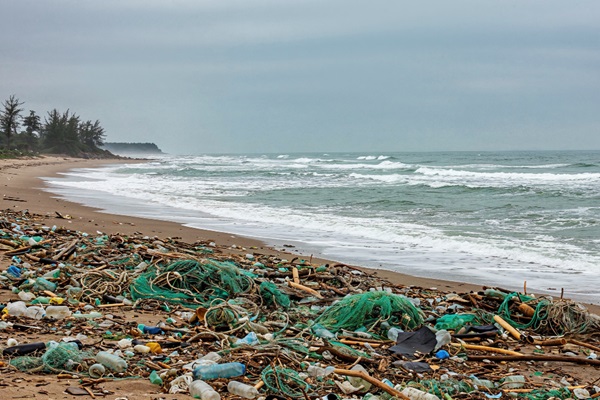
Plastic waste endangers bird habitats and survival worldwide
Image source: Freepik
6. Buy Bird-Friendly Products That Protect Habitats
Consumer choices can either degrade or preserve bird habitats. For migratory species, both breeding and wintering grounds must be safe.
- Shade-grown coffee preserves tropical forests critical to songbirds.
- Organic produce reduces pesticide-driven insect loss.
- Sustainably sourced timber prevents deforestation and loss of nesting sites.
Try this: Look for certifications like Bird-Friendly Coffee from the Smithsonian Migratory Bird Center when shopping.
Why it matters: Birds cross continents. Supporting sustainable products ensures their habitats remain intact throughout their life cycle.
7. Join Citizen Science Projects
Turn your birdwatching into real conservation impact by joining citizen science projects.
- eBird (Cornell Lab) is the world’s largest bird observation database.
- iNaturalist has over 300 million biodiversity records contributed by everyday users.
- Global events like the Great Backyard Bird Count and Global Big Day engage hundreds of thousands of participants.
- Since 2015, the Nigeria Bird Atlas Project (NiBAP) coordinated by A. P. Leventis Ornithological Research Institute (APLORI), has engaged more than 800 volunteers from 28 bird clubs across Nigeria. Together, they have mapped over 75% of the country’s known bird species and identified 39 nationally threatened species, even while covering only half of Nigeria’s land area.
- Similarly, the African Bird Atlas Project (ABAP) has empowered communities to record and share bird observations, producing high-quality datasets while reinforcing the role of birds as indicators of environmental change.
African Bird Atlas supports research and bird conservation efforts in Africa
Source: African Bird Atlas Project | Facebook
According to EurekAlert (UC research), citizen science data reliably captures migration patterns and informs conservation planning. One study in Citizen Science: Theory and Practice found 97% of species data across platforms overlapped, proving high accuracy.
How to participate:
- Log your sightings in eBird, BirdLasser or iNaturalist.
- Join annual events like Global Big Day.
- Share your findings — each record builds global bird data.
Pro Tip: Citizen science is also a great way to connect with other birders and deepen your knowledge while contributing to research.
Why it matters: Citizen science turns everyday birdwatching into actionable conservation.
8. Protect Wetlands and Green Spaces
Habitat loss remains the #1 driver of bird decline. Wetlands, forests, and grasslands are critical breeding and feeding grounds. In Africa, these habitats face severe threats from urbanization and land-use change.
How you can help:
- Support local parks and reserves.
- Attend council meetings to oppose wetland destruction.
- Volunteer for habitat restoration projects.
- Encourage schools or churches to plant native habitat patches.
Why it works: Protected habitats stabilize bird populations, support biodiversity, and deliver ecosystem services for people too.
Wetland conservation project funding to protect bird habitats and nature
Video source: YouTube — BirdLife International
9. Share Your Love of Birds
Bird conservation thrives on awareness and cultural appreciation. In many African communities, birds hold traditional significance and their stories can be used to raise awareness about their conservation.
How to inspire others:
- Invite friends on beginner bird walks.
- Share photos and facts on social media.
- Host school or community bird talks.
- Celebrate International Migratory Bird Day with kids.
Extra tip: Storytelling works. Sharing the journey of a migratory bird helps people feel connected to conservation.
Why it matters: Enthusiasm is contagious. Sharing bird stories helps normalize bird-friendly habits like planting native trees or turning off lights during migration.
10. Advocate and Act Consistently
Conservation isn’t just about passion — it’s about persistence.
How you can help:
- Write to your representatives about protecting habitats.
- Support climate policies that reduce emissions.
- Back initiatives to ban harmful pesticides like neonicotinoids.
Why it matters: Every step builds momentum. From backyard feeders to global campaigns, your actions become part of a collective movement protecting our shared planet.
Conclusion
The silence that falls when birds disappear is a loss we can't afford. But the good news is, the power to change this story is in your hands. Every native plant you add to your garden, every window you make safe, and every voice you lend to conservation creates a ripple effect. It's not about doing everything; it's about doing something. Let's not wait for someone else to act. The future of our feathered friends and the health of our shared planet starts with us.
Your Actions Count
Birds gift us with songs, beauty, and essential ecosystem services — pollination, pest control, seed dispersal, and environmental signaling.
In return, they ask for safe skies, clean water, and protected habitats.
Did You Know?
- You don’t need a PhD or a field guide to save birds.
- You just need awareness and willingness.
Plant a shrub today, log a sighting tomorrow, support a conservation group next week. Every action ripples outward. Choose one of these 10 actions today. Tomorrow, add another. Soon, you’ll be part of a global movement protecting not just birds, but the planet we all share.
Did this post inspire you to take action for birds? Share your thoughts in the comments. We’d love to hear which step you’re excited to start with today.
Related Blog Posts
- Why Birds Matter – 7 Crucial Ecosystem Services They Provide: Discover ecosystem services of birds—from pest control and seed dispersal to pollination and bioindication—and why bird conservation matters for people and planet.
- Birds as Bioindicators: What Their Decline Tells Us: How changes in bird populations warn us about ecosystem health.
- 10 Iconic Bird Habitats in Africa (and the Birds That Live There): Discover Africa’s top 10 bird habitats, from forests to wetlands, savannas, and coastlines. Learn what birds live there, where to find them, and why protecting their homes matters.