 Oseni Solomon Ojochenemi
| 302 Views
Oseni Solomon Ojochenemi
| 302 Views
Birds face growing threats worldwide, from habitat loss and climate change to hunting and pollution. Discover the top 10 drivers of bird declines and why urgent conservation action is essential.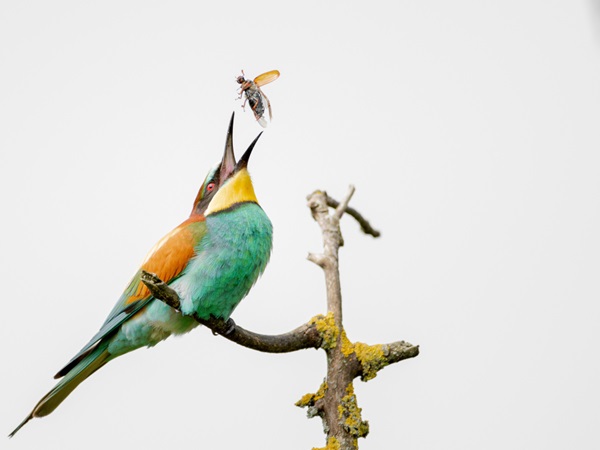
Birds are not just beautiful to watch, they are vital to healthy ecosystems. They pollinate plants, disperse seeds, control insect populations, and even signal changes in our environment. Yet, despite their importance, birds are disappearing at an alarming rate.
According to BirdLife International, one in eight bird species worldwide is now threatened with extinction. Across Africa, Asia, Europe, and the Americas, common birds are vanishing from places where they were once abundant.
What’s behind this decline? Scientists point to a combination of human-driven threats — from deforestation to climate change. Below, we explore the 10 biggest threats to birds and why action is urgent.
1. Habitat Loss and Fragmentation
Habitat loss remains the number one driver of bird declines globally. Forests, wetlands, grasslands, and coastal areas are cleared to make way for cities, farms, mines, and roads. Birds that once thrived in vast, connected landscapes now face fragmented patches where food is scarce and nesting grounds are unsafe.
Take the example of tropical rainforests: when large tracts are cut into smaller fragments, forest birds are trapped in “islands.” They often can’t cross open farmland or roads, leaving populations isolated and vulnerable to extinction.
According to BirdLife International, nearly 75% of all threatened bird species are affected by habitat loss and degradation. In places like Nigeria, the clearing of savannas and wetlands has particularly affected migratory storks, cranes, and local grassland specialists.
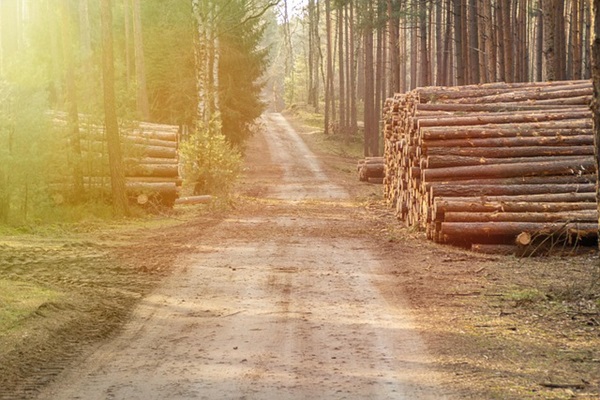
Deforestation and habitat fragmentation significantly reduce bird population and biodiversity
Image source: Pixabay
2. Agricultural Intensification
Agriculture is essential to human survival, but modern intensification has brought unintended consequences for birds. Large-scale monocultures eliminate hedgerows, wetlands, and tree cover, depriving birds of food and nesting sites.
The use of pesticides, especially neonicotinoids, is another major factor. These chemicals not only kill insects (critical food for many species) but also accumulate in soils and water, indirectly poisoning birds.
Studies show sharp declines in farmland birds across Europe where pesticide use is highest. In Africa, expanding rice and maize plantations near wetlands push out native herons, ibises, and raptors.
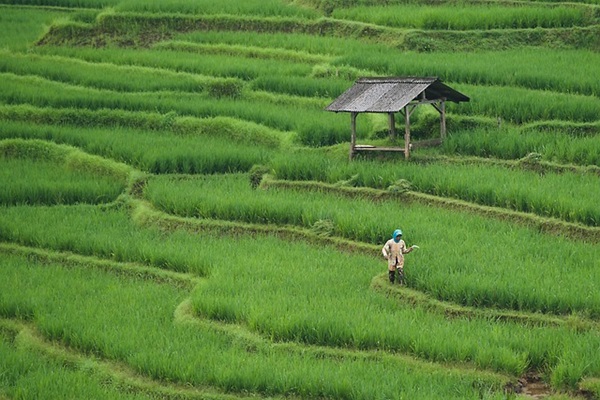
Expanding rice plantations near wetlands push out native herons, ibises, and raptors, causing severe habitat loss and fragmentation.
Image source: Pixabay
3. Climate Change
Climate change doesn’t just warm the planet; it reshapes migration, breeding, and food availability. Birds, finely tuned to seasonal cues, are among the most sensitive indicators of climate disruption.
For instance, many migratory species rely on arriving at breeding grounds just as insect populations peak. But with warmer springs, insects now emerge earlier, leaving birds like swallows and warblers “out of sync” with their food.
Watch how climate change threatens bird survival in North America
Video source: YouTube — National Audubon Society
4. Invasive Species and Predators
Introduced species can devastate native bird populations. Predatory animals, from rats to snakes, and even invasive plants alter the ecosystems that native birds depend on.
For example, ground-nesting seabirds on islands often lack natural defenses against introduced predators like rats and cats, which can lead to massive breeding failures. On mainland Africa, invasive plants like water hyacinth choke wetlands, reducing the fish and insect populations that birds rely on.
Globally, one of the most significant threats comes from an unexpected source: domestic cats. Unlike a natural predator-prey relationship, native birds have not evolved to defend themselves against these highly efficient hunters. When allowed to roam outdoors, they cause a severe imbalance in the ecosystem.
The American Bird Conservancy estimates that outdoor cats alone kill an estimated 2.4 billion birds annually in the United States, making them the leading direct human-caused threat to bird life in the United States and Canada.
According to the IUCN Invasive Species Specialist Group, invasive species are the second most common cause of extinction for birds after habitat loss.
5. Pollution and Contamination
Pollution takes many forms, from industrial waste to everyday plastics. Each poses unique dangers to birds.
Oil spills coat feathers, stripping them of waterproofing and insulation, often leading to hypothermia or drowning. Heavy metals such as mercury bioaccumulate in fish, poisoning fish-eating birds like herons and ospreys.
Plastic waste and bottles now found from African rivers to Arctic seas, is ingested by seabirds who mistake it for food.
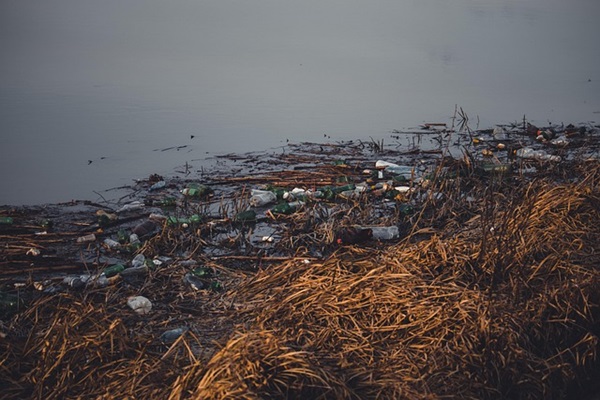
Plastic waste and broken bottles on a shoreline can create hazards that can injure or kill birds through ingestion or entanglement.
Image source: Pixabay
6. Overexploitation and Hunting
Bird hunting is both cultural and subsistence-based in many regions, but when unregulated, it becomes a driver of decline. Trapping for the pet trade, egg collection, and bushmeat hunting all reduce wild populations.
Migratory species are particularly at risk along flyways, where thousands are taken annually. For example, in parts of the Mediterranean, millions of migratory songbirds are trapped illegally each year.
In Africa, cranes and bustards face pressure as bushmeat and ceremonial targets.
The Convention on International Trade in Endangered Species (CITES) lists dozens of bird species whose populations are threatened by overexploitation.
7. Disease Outbreaks
Avian diseases such as avian influenza, Newcastle disease, and West Nile virus can spread rapidly among both wild and domestic populations. Habitat crowding, industrial poultry farms, and climate change all increase the risk of outbreaks.
The World Health Organization (WHO) has repeatedly warned that such diseases not only affect bird populations but also carry risks for humans. In Africa, outbreaks of avian influenza have decimated both poultry industries and wild waterfowl.
8. Collisions with Human Structures
Each year, billions of birds die from collisions with windows, power lines, and wind turbines. While wind energy is vital for reducing carbon emissions, poorly sited turbines in migration corridors can be lethal.
Window strikes, however, remain the single largest structural threat. Glass reflects trees and sky, fooling birds into flying straight into them. In urban centers, night lighting compounds the danger by disorienting migratory species.
According to studies, up to 1 billion birds die annually from window collisions in North America alone.
Watch how birds collide with glass, and research by Daniel Klem on preventing bird-window collisions
Video source: YouTube — Muhlenberg College
9. Disturbance from Human Activities
Even when not directly destructive, human presence often disrupts bird behavior. Recreational activities, tourism, and noise pollution all create “invisible pressures.”
On beaches, nesting seabirds abandon eggs when disturbed repeatedly by visitors or off-road vehicles. In forests, chainsaws, mining, and even drone activity disrupt breeding and feeding. Noise pollution from highways interferes with birdsong, crucial for mating and territory defense.
10. Weak Policy and Enforcement
All the threats above are compounded by weak governance. Even the strongest conservation laws are ineffective without enforcement.
Protected areas often exist on paper but lack funding, staff, or community support. Meanwhile, short-term economic priorities frequently outweigh long-term ecological health.
However, success stories show what is possible. Countries that invest in community-led conservation and strong enforcement—such as Kenya’s conservancies or Nigeria’s Nigeria Bird Atlas Project (NBAP) demonstrate that policy backed by science and local participation works.
Why it matters: Without robust governance and international collaboration, bird conservation efforts remain fragmented. Strong policy is the foundation that makes all other solutions viable.
Final Thoughts
Birds are disappearing for many reasons, but the story isn’t just about loss—it’s also about resilience. From climate adaptation to grassroots projects, conservation successes prove that decline is not inevitable. Protecting birds means protecting ecosystems, food security, and even human health. When we save birds, we save our planet.
Your Role in the Story
The threats are real, but the power to change this story is in your hands. Now that you know the challenges, discover how you can make a difference. Read our post on 10 simple but powerful ways you can help bird conservation, right from your own backyard.
What's one thing you're excited to start doing to help? Share your thoughts below!
Related Blog Posts
- Why Birds Matter – 7 Crucial Ecosystem Services They Provide: Discover ecosystem services of birds—from pest control and seed dispersal to pollination and bioindication—and why bird conservation matters for people and planet
- Birds as Bioindicators: What Their Decline Tells Us — How changes in bird populations warn us about ecosystem health.
- 10 Iconic Bird Habitats in Africa (and the Birds That Live There) — Discover Africa’s top 10 bird habitats, from forests to wetlands, savannas, and coastlines. Learn what birds live there, where to find them, and why protecting their homes matters.